
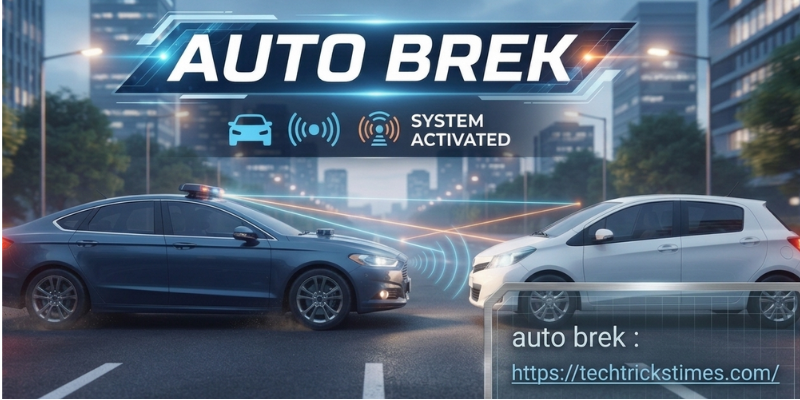

Auto brek is one of the most important safety systems found in modern vehicles. Whether you drive daily through busy city streets or travel on highways, a reliable braking system helps keep you, your passengers, and others on the road safe. Understanding how auto brek works can also help you recognize warning signs before they become costly repairs. In this guide, we’ll explain everything you need to know, from its basic function to maintenance tips and common problems.
What Is Auto Brek and Why Is It Important?
Auto brek refers to a vehicle’s braking system that allows the driver to slow down or stop safely. Modern braking systems have evolved significantly over the years and now include advanced technologies that improve safety, stability, and overall driving performance.
A properly functioning brake system helps by:
- Reducing stopping distance
- Improving vehicle control
- Preventing collisions
- Increasing driver confidence
- Enhancing passenger safety
Without an efficient braking system, even the most powerful vehicle becomes unsafe to operate.
How the Auto Brek System Works
Understanding the working principle of an auto brek system is relatively simple.
When you press the brake pedal:
- Hydraulic pressure is created.
- Brake fluid transfers this pressure.
- Brake calipers squeeze the brake pads.
- The pads press against the brake rotors.
- Friction slows the wheels until the vehicle stops.
Many modern vehicles also combine electronic systems that improve braking performance under different driving conditions.
Main Components of an Auto Brek System
Several important parts work together.
Brake Pedal
The driver’s input starts the braking process.
Brake Master Cylinder
This converts pedal pressure into hydraulic force.
Brake Fluid
Brake fluid carries pressure throughout the braking system.
Brake Lines
These transport hydraulic pressure to each wheel.
Brake Calipers
Calipers apply force to the brake pads.
Brake Pads
Brake pads create friction against the rotor.
Brake Rotors
Rotors rotate with the wheels and help slow the vehicle.
Different Types of Auto Brek Systems
Vehicle manufacturers use different braking technologies depending on the vehicle type and intended use.
Disc Brakes
Disc brakes are common in modern cars because they provide excellent stopping performance and dissipate heat efficiently.
Advantages include:
- Better braking performance
- Improved cooling
- Easier maintenance
- Longer lifespan
Drum Brakes
Drum brakes are still used on many rear wheels because they are affordable and reliable for lighter braking loads.
Anti-lock Braking System (ABS)
ABS prevents wheel lock-up during sudden braking.
Benefits include:
- Better steering control
- Reduced skidding
- Improved stability on wet roads
Electronic Brake Assist (EBA)
This system detects emergency braking and automatically applies additional braking force.
Automatic Emergency Braking (AEB)
Many modern vehicles include Automatic Emergency Braking, which detects obstacles and applies the brakes if the driver fails to react in time.
Common Signs Your Auto Brek Needs Attention
Ignoring brake issues can be dangerous. Watch for these warning signs.
Squealing or Grinding Sounds
Worn brake pads often produce high-pitched noises. Grinding usually indicates severe wear.
Vibrating Brake Pedal
A vibrating pedal often points to warped brake rotors.
Soft Brake Pedal
If the pedal feels spongy, there may be air in the brake lines or a brake fluid leak.
Vehicle Pulls to One Side
Uneven brake pad wear or a sticking caliper may cause this problem.
Brake Warning Light
Never ignore the dashboard brake warning light. It could indicate a serious issue requiring immediate inspection.
Auto Brek Maintenance Tips for Longer Life
Proper maintenance improves safety while reducing repair costs.
Inspect Brake Pads Regularly
Brake pads naturally wear over time. Replace them before they become too thin.
Check Brake Fluid
Brake fluid absorbs moisture over time, reducing braking efficiency. Follow your vehicle manufacturer’s replacement schedule.
Avoid Hard Braking
Smooth driving extends the life of brake pads and rotors.
Listen for Unusual Sounds
Strange noises often provide the earliest warning of brake problems.
Schedule Routine Brake Inspections
Professional inspections help identify hidden issues before they become expensive repairs.
Benefits of a Well-Maintained Auto Brek System
Keeping your braking system in excellent condition provides several advantages.
- Greater driving safety
- Improved stopping power
- Better fuel efficiency through smoother driving
- Lower maintenance costs
- Longer brake component lifespan
- Increased resale value
- Greater confidence in emergency situations
Regular maintenance is always less expensive than repairing major brake failures.
Choosing Quality Brake Parts
If replacement becomes necessary, always select high-quality components.
Look for:
- OEM or trusted aftermarket brands
- Durable brake pads
- High-quality brake rotors
- Manufacturer-approved brake fluid
- Professional installation
Using cheap components may reduce braking performance and increase long-term repair costs.
Final Thoughts on Auto Brek Safety
Every driver relies on their braking system every time they get behind the wheel. Understanding how auto brek works, recognizing early warning signs, and following a regular maintenance schedule can significantly improve road safety. Investing in quality brake components and timely inspections helps ensure your vehicle performs reliably in both everyday driving and emergency situations.
Frequently Asked Questions
What does auto brek mean?
Auto brek refers to a vehicle’s braking system that safely slows or stops the vehicle using hydraulic and mechanical components.
How often should brake pads be replaced?
Most brake pads last between 30,000 and 70,000 miles, depending on driving habits, road conditions, and the quality of the brake components.
Can I drive with worn brake pads?
Driving with worn brake pads is unsafe. It increases stopping distance and may damage brake rotors, resulting in more expensive repairs.
What causes brake pedal vibration?
Brake pedal vibration is commonly caused by warped brake rotors, uneven pad wear, or suspension-related issues that affect braking performance.
Is Automatic Emergency Braking the same as auto brek?
No. Automatic Emergency Braking (AEB) is an advanced driver-assistance feature that automatically applies the brakes to help prevent or reduce collisions, while auto brek generally refers to the vehicle’s overall braking system.
Conclusion
A dependable auto brek system is essential for every vehicle, regardless of its size or purpose. Understanding its components, recognizing warning signs, and performing routine maintenance will improve safety, reduce repair costs, and extend the lifespan of your braking system. Taking care of your brakes today can help prevent accidents and ensure a smoother, more confident driving experience tomorrow.
Stay in touch to get more updates & alerts on techtrickstimes.com! Thank you